


Responsible gambling at Rakoo
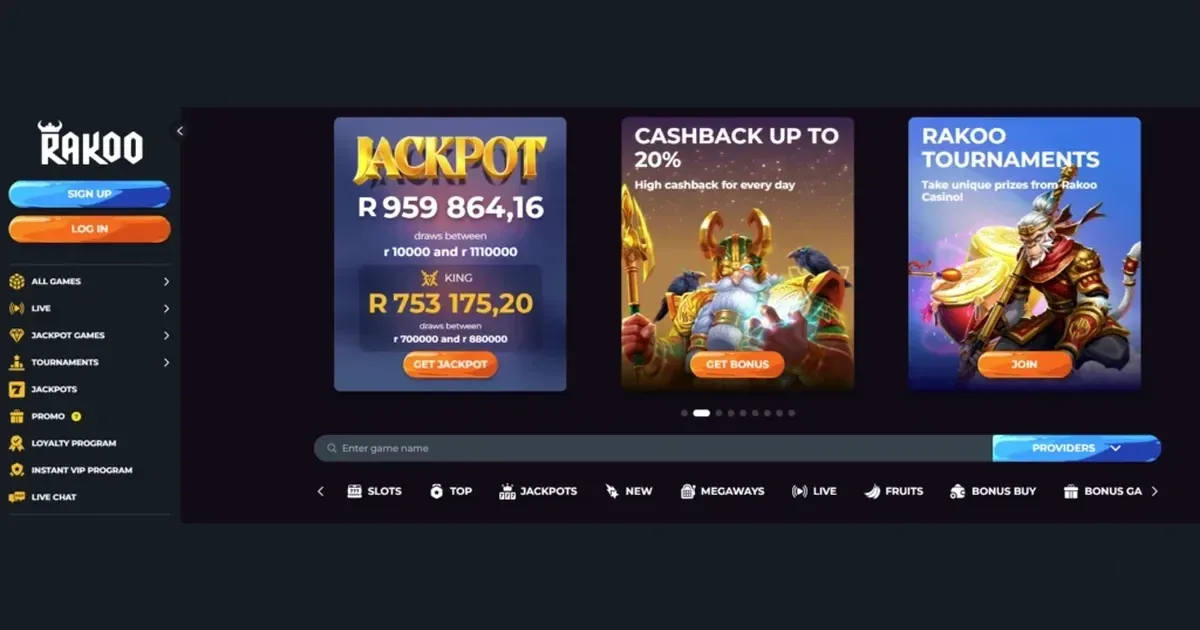
















What responsible gambling really means
Rakoo is an online platform that covers slots, live dealer tables and sports betting – and like every form of gambling, it carries real risk. This page is maintained by our independent editorial team and is aimed at anyone who wants to stay in control of how they play. 18+ only. If gambling has stopped feeling like entertainment, support is available right now at BeGambleAware.org.
Responsible gambling is not a set of rules imposed from outside – it is a personal approach to keeping the activity enjoyable rather than harmful. That means setting limits before you start, sticking to them, and recognising when a break would do more good than another session. None of that requires willpower alone; there are practical tools and trained people to help.
Gambling should be entertainment, not a source of income or a way to recover money already lost. If the feeling shifts – if a session feels compulsive rather than fun, or if chasing a loss becomes the reason to keep playing – those are signals worth taking seriously, not dismissing.
Behaviour that should worry you
Most people who gamble never develop a problem. But certain patterns are worth recognising early, because they tend to intensify quietly before they become obvious. We've listed the most common below.
- Spending more than you planned, or returning to try to win back losses
- Gambling with money set aside for bills, rent or everyday expenses
- Feeling restless or irritable when you try to cut down or stop
- Lying to family or friends about how much time or money you spend
- Borrowing money, or selling possessions, to fund gambling
- Neglecting work, study or relationships because of time spent gambling
One or two of these on an occasional basis does not automatically signal a disorder. A pattern – several of them, recurring – is the thing to pay attention to. Early intervention is far easier than late.
A short self-assessment
The questions below are not a clinical diagnosis. They are a practical prompt: honest answers to them can clarify whether your gambling is staying within limits that feel comfortable. Run through them without trying to give a "right" answer.
- Do you gamble with money you cannot afford to lose?
- Have you increased the amounts you stake because smaller bets no longer feel exciting?
- Do you find it difficult to stop once you have started a session?
- Have you returned to gambling the day after a loss, specifically to recover it?
- Has gambling caused arguments or tension with someone close to you?
- Have you neglected a responsibility – at work, at home or elsewhere – because of gambling?
- Do you feel anxious, low or short-tempered when you have not gambled for a while?
- Have you hidden your gambling activity from anyone who knows you?
If several of those questions gave you pause, speaking to someone at GamCare is a sensible next step. Their National Gambling Helpline is free and available 24 hours a day: 0808 8020 133.
Rakoo's deposit and time controls
The operator provides a set of account-level tools that let players place practical limits on their own activity. These sit inside the player account and can generally be adjusted or activated without contacting support.
Limits and cooling-off options
Rakoo supports self-exclusion at the operator level, which means a player can request to close or suspend their account for a defined period. This is a harder stop than a deposit limit – once active, it cannot simply be reversed on impulse – and it is the right tool when softer limits are no longer holding.
Deposit limits, session reminders and cooling-off periods are the lighter tools in the same toolkit. They work best when put in place before a session rather than during one, when judgement about what is "enough" tends to be least reliable.
How to use them effectively
Set a deposit limit that reflects your entertainment budget for the month, not your ambition for a given session. Treat a cooling-off period as genuine rest rather than a pause before resuming. And if you have set a self-exclusion, do not attempt to open a new account at the same operator during that period – that defeats its purpose and is typically a breach of the platform's terms.
Good to know: if you need a broader self-exclusion that covers multiple licensed operators at once, GamStop provides a free national scheme. Registering takes a few minutes and the exclusion cannot be reversed early.
Where to find support in the UK
Several organisations offer free, confidential help – from a first phone call through to residential treatment. We have listed the main ones below. No referral is needed for any of them.
- BeGambleAware – information, self-help tools and a directory of local support services
- GamCare – counselling and the National Gambling Helpline: 0808 8020 133 (free, 24/7)
- Gordon Moody – residential and online treatment programmes for severe gambling harm
- GamStop – free national self-exclusion across UK-licensed sites
Talking to someone is not a sign that the problem is beyond help – it is usually the step that makes help possible. GamCare's helpline is answered by trained advisers, not automated systems, and calls are free from every UK network.
Blocking software
If you want a technical barrier rather than – or alongside – a self-exclusion, blocking software prevents gambling sites from loading on your devices. Gamban covers thousands of gambling-related addresses across desktop and mobile. BetBlocker is free, works across multiple platforms, and takes under a minute to install. Neither replaces professional support, but both reduce the chance of an impulsive session undoing a decision made in a calmer moment.
Taking a break
A break does not need to start with a formal self-exclusion. Stepping away for a week, removing saved payment details from your account, or simply deleting the bookmark can all create enough friction to interrupt an automatic habit. Small obstacles matter more than most people expect.
If you share a device with a partner, a flatmate or anyone else who might browse casually to a gambling site, parental control software such as Net Nanny or Qustodio can act as a household-level filter. These tools are worth setting up even when the person you are concerned about is not a child.
Worth remembering: a break that ends with a clear head and a reset budget is entirely normal. The goal is not permanent abstinence for everyone – it is keeping gambling in the place it belongs, as one optional form of entertainment among many.
Protecting minors
Access to Rakoo is restricted to persons aged 18 and over. The 18+ requirement is not a formality – the operator applies it to account registration, and any attempt to register as a minor violates the platform's terms. If you have reason to believe a minor in your household has accessed a gambling site, the blocking tools above are the fastest remedy, and a conversation with them about money and risk is worth having sooner rather than later.
Parental control software at the router level – rather than only on individual devices – is the most reliable barrier, since it applies regardless of which device is used. Most UK broadband providers include basic content-filtering options in their account settings at no extra cost.
For questions about the content on this site, write to us at [email protected]. For questions about a player account, deposits, withdrawals or bonuses, contact the operator directly through its own platform – we are an information portal and have no access to player accounts.
Gambling should be entertainment, not a chore.
Last updated:
Game Providers